
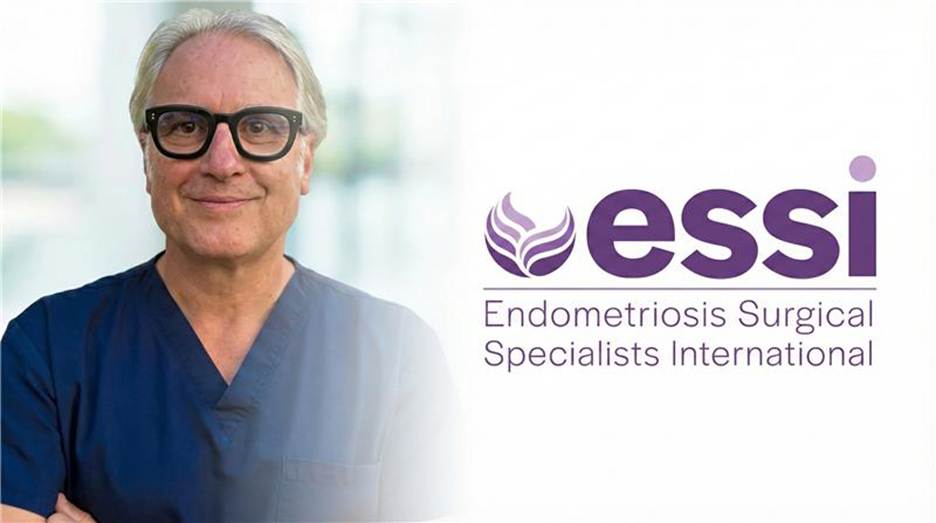
Modern reproductive medicine relies heavily on genetic screening technologies designed to improve the success rates of in vitro fertilization (IVF). Among these, preimplantation genetic testing has become a widely used tool to evaluate embryo viability before implantation. Yet the growing dependence on embryo testing has also raised important scientific and ethical questions. One of the clinicians most closely associated with challenging assumptions about embryo screening is reproductive surgeon Andrea Vidali, whose work has focused on understanding both the power and the limitations of these technologies.
The Rise of Embryo Genetic Testing
Preimplantation genetic screening gained momentum in the early 2000s as IVF clinics sought ways to improve pregnancy rates and reduce miscarriages. The premise was straightforward: embryos identified as genetically normal would be more likely to implant successfully and result in healthy births. Clinics began routinely testing embryos for chromosomal abnormalities before transfer, often discarding those labeled abnormal.
The approach appeared logical and technologically sophisticated, but it also rested on evolving scientific assumptions. Early testing methods sometimes oversimplified embryonic biology, treating chromosomal findings as definitive rather than probabilistic. As the technology became more widespread, clinicians and researchers began examining whether the interpretation of results was always accurate or clinically appropriate.
Clinical Observations and Early Doubts
Through years of clinical practice in reproductive endocrinology and surgery, Vidali encountered cases that did not always align with prevailing expectations about genetic testing. Some patients had embryos classified as abnormal but still showed developmental potential. These observations prompted questions about whether testing methods fully captured the complexity of early embryonic development.
Collaborative research with colleagues such as Norbert Gleicher and the late Jeffrey Braverman contributed to a broader reevaluation of how embryo genetic data should be interpreted. Their clinical reports documented healthy births following the transfer of embryos previously labeled aneuploid, meaning chromosomally abnormal according to testing results.
These findings did not suggest that genetic testing lacked value altogether. Instead, they highlighted limitations in diagnostic precision and emphasized the need for cautious interpretation.
Mosaicism and Biological Complexity
One of the key scientific issues underlying this debate is embryonic mosaicism, a condition in which an embryo contains both normal and abnormal cells. Standard biopsy techniques sample only a small number of cells, usually from the outer layer of the embryo. This limited sample may not accurately reflect the genetic status of the entire embryo.
Research into mosaicism has shown that some embryos can self-correct during development or maintain sufficient healthy cell populations to result in normal pregnancies. This biological adaptability complicates binary classifications of embryos as simply normal or abnormal.
Vidali’s involvement in this conversation has centered on encouraging clinicians to recognize uncertainty in testing results rather than treating them as absolute. This perspective has influenced discussions about whether some embryos currently discarded might still have reproductive potential.
Ethical and Clinical Implications
The widespread use of embryo testing has significant ethical implications. IVF patients often make emotionally and financially demanding decisions based on clinical advice. When testing suggests that embryos are nonviable, patients may abandon options that could otherwise lead to pregnancy.
By questioning assumptions around embryo discard policies, Vidali and collaborators have encouraged a more individualized approach. This includes counseling patients about uncertainties in testing and considering clinical context rather than relying solely on laboratory classifications.
Such discussions have contributed to broader debates within reproductive medicine about balancing technological confidence with biological humility. Many clinicians now acknowledge that genetic screening provides valuable information but not absolute certainty.
Transparency in Reporting Outcomes
Another related issue involves how IVF success rates are reported and interpreted. Vidali has examined how clinical outcome data are collected and presented, particularly within organizations such as Society for Assisted Reproductive Technology. Greater transparency in reporting methods helps patients better understand the limitations of statistics and the variability between clinics.
Improved reporting standards also encourage responsible use of technologies like embryo testing. When clinics present results with appropriate context, patients are better equipped to make informed decisions rather than relying on simplified success metrics.
Scientific Debate and Professional Dialogue
The questioning of embryo discard practices has not been universally accepted. Some clinicians argue that genetic testing remains essential for reducing miscarriage risk and improving efficiency in IVF cycles. Others believe emerging evidence about mosaic embryos requires adjustments in clinical protocols.
Vidali’s contributions have played a role in fostering ongoing professional dialogue rather than providing definitive answers. By presenting clinical data and encouraging discussion, his work has helped shift the conversation from certainty toward careful evaluation of evidence.
Scientific progress often involves this kind of iterative reassessment. Technologies initially viewed as definitive are refined over time as new data emerge. Embryo genetic testing appears to be undergoing such a process, with increasing recognition of both its strengths and limitations.
Patient-Centered Perspectives
Beyond scientific debate, the issue has direct implications for patients navigating fertility treatment. IVF already involves complex emotional and financial considerations. Clear communication about testing limitations can reduce unrealistic expectations and support more informed decision making.
Vidali has emphasized the importance of individualized care, considering factors such as patient age, reproductive history, and overall health rather than relying exclusively on laboratory classifications. This approach reflects a broader trend in medicine toward personalized treatment strategies.
Patients also benefit from understanding that reproductive biology is inherently variable. Even advanced technologies cannot eliminate uncertainty entirely, and acknowledging this reality can help manage expectations during treatment.
Broader Influence on Reproductive Medicine
The ongoing reassessment of embryo testing illustrates a larger theme within reproductive medicine: the need to integrate technological innovation with careful clinical judgment. Advances in genetics, imaging, and laboratory techniques continue to expand possibilities, but each innovation requires critical evaluation.
Vidali’s work sits within this broader context of translational medicine, where clinical observations inform research questions and research findings reshape clinical practice. By questioning established assumptions about embryo viability, he has contributed to a more nuanced understanding of reproductive biology.
Continuing Questions
Despite significant advances, many questions remain about embryo testing. Researchers continue to explore how best to interpret mosaic results, refine biopsy techniques, and integrate genetic data with other indicators of embryo health.
The discussion sparked by clinicians like Vidali underscores that reproductive medicine remains an evolving field. Technologies once considered definitive may be reconsidered as knowledge grows. This process, though sometimes controversial, ultimately strengthens clinical practice by encouraging evidence-based refinement.
Conclusion
The debate over embryo testing and discard policies reflects both the promise and the complexity of modern reproductive medicine. Andrea Vidali’s role in questioning assumptions about genetic screening highlights the importance of scientific skepticism, clinical observation, and patient-centered care.
Rather than rejecting embryo testing, his work encourages balanced interpretation, recognition of biological variability, and transparency in patient counseling. As research continues, this perspective may help shape more nuanced clinical protocols that combine technological capability with an appreciation for the limits of current knowledge.